The brief
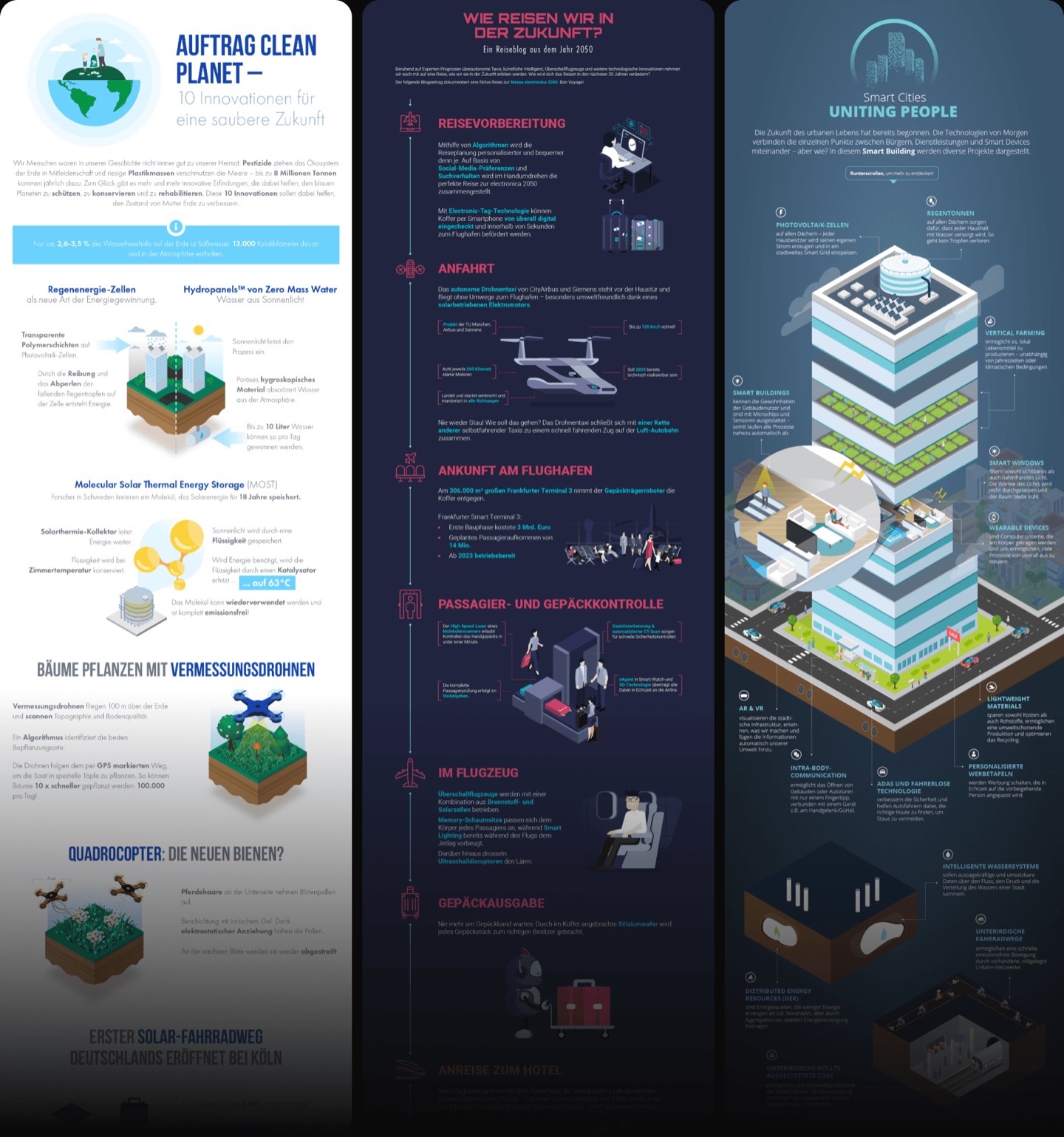
RS Components’ marketing manager needed a series of infographics for SEO campaigns, each one built to get embedded on outside websites and generate backlinks back to RS Components. The format only works if a site owner actually wants to use it, so the infographic itself had to be genuinely useful, not just branded content with a link attached.
The process
For each piece, I got a brief covering the topic and the target audience, then the actual content once it was ready. From there I researched what already existed on the same subject, how competitors handled the visuals, the typography, the illustration style, and looked at other infographics covering similar ground before designing anything. I owned the design and suggested changes to the content itself when something read as hard to follow, but the SEO strategy behind each piece stayed with the marketing manager.
The catch
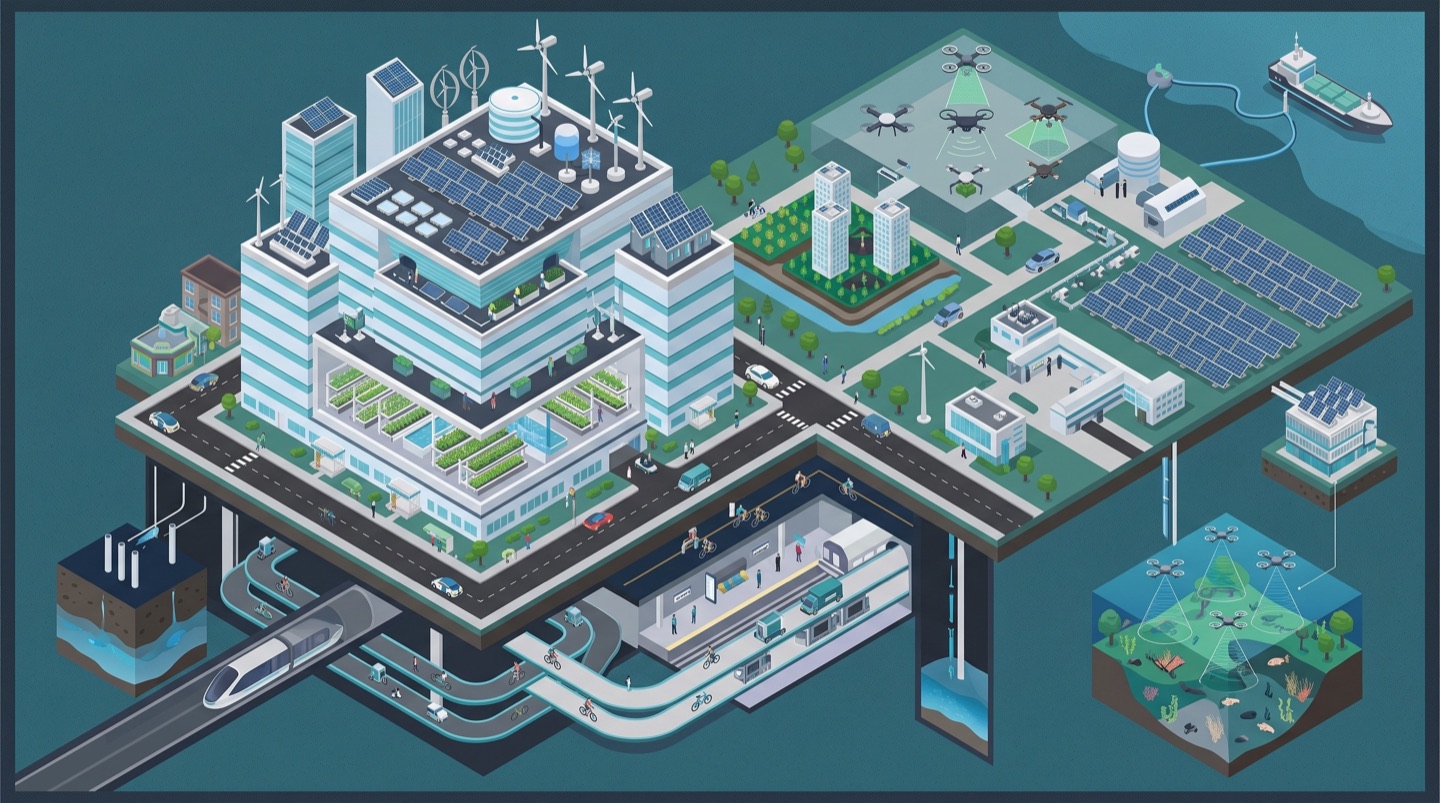
The hard part was consistent across every topic: taking dense, technical content and making it genuinely scannable, using icons and illustration to carry weight the text alone couldn’t. Future of Travel, Clean Planet, and Smart Cities all used that same process, applied to unrelated subjects, which is the real point. The process held regardless of what the topic was.
The bigger picture
This was one slice of a much larger practice. Over five years at Peak Ace, I worked on more than sixty pieces in this vein, infographics, ebooks, whitepapers, and interactive maps, across a range of clients, not just RS Components. Several campaigns from that period went on to win industry recognition, though no performance data was shared with me on the RS Components pieces specifically.